

Hashtags
#Ekiben
-
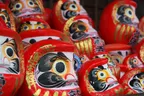
Daruma Bento: Takasaki's ekiben in a red daruma doll
Daruma Bento, the ekiben of Takasaki Station, comes in a red daruma-shaped container that becomes a coin bank. What is inside, and why Takasaki makes daruma. -
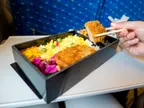
Can you eat on trains in Japan? Shinkansen, commuter trains and what to do with the box
Eating at your seat is normal on the Shinkansen and limited express trains, and bad manners on commuter trains. What the seats have, what is sold on board, and where the trash goes. -
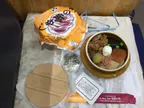
Ekiben containers: bamboo sheath, wooden boxes and a pot you can keep
Ekiben have come wrapped in bamboo sheath, boxed in shaved wood and packed in ceramic pots, plastic and molded pulp. Why each material was used, and since when. -

Ekiben fairs: when Japan's station bento come to the department store
At an ekiben fair, a department store gathers station bento from all over Japan in its event hall. How the fairs began, what happens at them, and why they exist. -
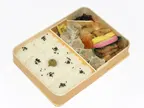
A history of ekiben: 140 years of Japan's station bento
Ekiben began in 1885 as two rice balls and some pickled radish. How Japan's station bento became boxed meals, survived the war years and turned regional. -

Ekinaka: the shops and food halls inside Japan's train stations
Ekinaka is the shopping and dining space inside a Japanese railway station, past the ticket gates. When it began, what it sells, how to get in, and where the ekiben are. -
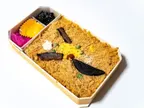
Famous ekiben of Japan: station bento from Hokkaido to Kyushu
Ikameshi at Mori, kamameshi at Yokokawa, shūmai bento at Yokohama, trout sushi at Toyama: the regional ekiben of Japan and the stations they are known by. -
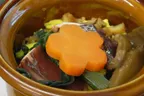
Hipparidako Meshi: Akashi's octopus rice ekiben in a ceramic octopus pot
Hipparidako Meshi is octopus rice sold as an ekiben in a ceramic pot shaped like an octopus trap. What is inside, why it began in 1998, and how Akashi catches octopus. -
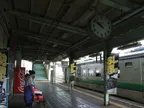
How ekiben are sold: platforms, train windows and department stores
Ekiben were once passed through train windows by vendors on the platform. How the selling of Japan's station bento moved to shops, trains and department stores. -
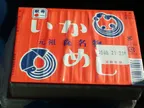
Ikameshi: the squid-and-rice ekiben of Mori Station, Hokkaido
Ikameshi is squid stuffed with rice and simmered in sweet soy sauce. How a wartime ekiben from a small station in Hokkaido became known all over Japan. -
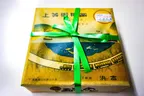
Kakegami: the paper wrapper on an ekiben
A kakegami is the printed sheet tied over an ekiben, Japan's station bento. What has been printed on it, who keeps it, and how the wrapper of Tōge no Kamameshi has changed since 1960. -
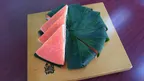
Masu no Sushi: Toyama's pressed trout sushi in a round wooden box
Masu-zushi is Toyama's pressed trout sushi, wrapped in bamboo grass in a round wooden box. How it is made, how it became a Toyama Station ekiben, and how to cut it. -
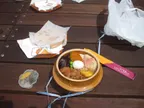
The nine toppings of Tōge no Kamameshi
Chicken, burdock, shiitake, bamboo shoot, a quail egg, chestnut, apricot, green peas and red ginger: how each topping of Tōge no Kamameshi is prepared. -
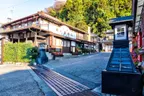
Oginoya: the station vendor behind Tōge no Kamameshi
Oginoya has sold meals to rail travelers at Yokokawa Station since 1885. This is how a small mountain station produced Tōge no Kamameshi, one of Japan's best-known ekiben. -

Picnic and bento: what the meal on the grass and the Japanese boxed meal have in common
A picnic and a bento are both meals prepared ahead and carried along. Where the word picnic comes from, what goes into the hamper, into the tiered boxes of hanami and into the bento for a train journey, and what sets them apart. -
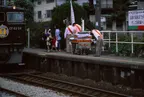
Tachiuri: the platform vendors who sold ekiben through train windows
Tachiuri walked Japan's station platforms with a box of bento hung from their shoulders and sold through train windows. Who they were, and why they vanished. -
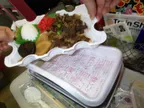
Self-heating ekiben: how a station bento warms itself at the pull of a string
Under the tray of a self-heating ekiben are quicklime and a bag of water. How pulling the string heats the meal, who began it, and how to use one. -
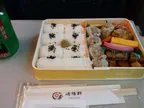
Shūmai bento: Yokohama's station bento from Kiyoken, sold since 1954
The shūmai bento packs rice, five pork-and-scallop dumplings and side dishes into a box of shaved wood. How Kiyoken made it the ekiben of Yokohama. -
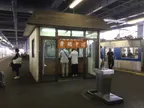
Station soba in Japan: the standing noodle counters on the platform
Station soba is a bowl of noodles in hot broth, eaten standing at a counter in the station. What is in the bowl, how to order by ticket, and how it began at Karuizawa. -
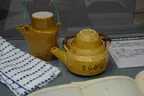
Train tea in Japan: from clay teapots to plastic bottles
Tea sold with ekiben at Japan's stations once came in small pottery teapots called kisha dobin. How glass, polyethylene, cans and PET bottles took their place.