

Categories
Food and culture
-
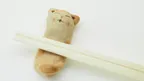
Chopsticks in Japan: how to hold them and what to avoid
How to hold Japanese chopsticks, the habits known as kirai-bashi and why two of them recall funerals, plus disposable waribashi, lacquered Wakasa chopsticks and chopstick rests. -
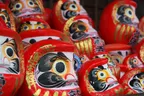
Daruma Bento: Takasaki's ekiben in a red daruma doll
Daruma Bento, the ekiben of Takasaki Station, comes in a red daruma-shaped container that becomes a coin bank. What is inside, and why Takasaki makes daruma. -
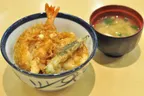
What is donburi? Japan's rice bowls, from unadon to katsudon
Donburi is rice in a deep bowl with a topping laid over it. The bowl itself, how unadon began, and when oyakodon, gyūdon, tendon and katsudon appeared. -
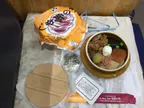
Ekiben containers: bamboo sheath, wooden boxes and a pot you can keep
Ekiben have come wrapped in bamboo sheath, boxed in shaved wood and packed in ceramic pots, plastic and molded pulp. Why each material was used, and since when. -

Ekiben fairs: when Japan's station bento come to the department store
At an ekiben fair, a department store gathers station bento from all over Japan in its event hall. How the fairs began, what happens at them, and why they exist. -
A history of ekiben: 140 years of Japan's station bento
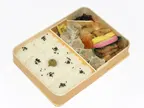
Ekiben began in 1885 as two rice balls and some pickled radish. How Japan's station bento became boxed meals, survived the war years and turned regional. -
Famous ekiben of Japan: station bento from Hokkaido to Kyushu
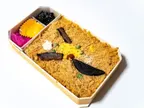
Ikameshi at Mori, kamameshi at Yokokawa, shūmai bento at Yokohama, trout sushi at Toyama: the regional ekiben of Japan and the stations they are known by. -
Hipparidako Meshi: Akashi's octopus rice ekiben in a ceramic octopus pot
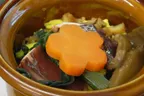
Hipparidako Meshi is octopus rice sold as an ekiben in a ceramic pot shaped like an octopus trap. What is inside, why it began in 1998, and how Akashi catches octopus. -
How ekiben are sold: platforms, train windows and department stores
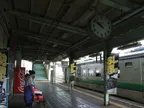
Ekiben were once passed through train windows by vendors on the platform. How the selling of Japan's station bento moved to shops, trains and department stores. -
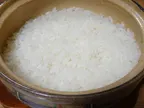
How rice is cooked in Japan: washing, soaking, resting and the rice cooker
Japanese rice is washed, soaked, cooked until the water is gone and rested under the lid. What each step does to the grain, and how the kamado gave way to the rice cooker. -
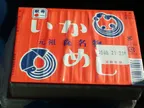
Ikameshi: the squid-and-rice ekiben of Mori Station, Hokkaido
Ikameshi is squid stuffed with rice and simmered in sweet soy sauce. How a wartime ekiben from a small station in Hokkaido became known all over Japan. -
Cooking Japanese rice at home, outside Japan
Which rice to buy, how to read a Japanese rice bag, how to measure without a gō cup, and how to cook the rice in an ordinary pot when there is no rice cooker. -

What is Koshihikari? A guide to Japan's rice varieties
Koshihikari was crossed in Niigata in 1944, bred in Fukui and registered in 1956. How it became Japan's most widely planted rice, and what the other varieties are. -

Sencha, matcha, hōjicha: the types of Japanese tea
Japanese teas all come from one plant. How shading, steaming, rolling and roasting turn its leaves into sencha, gyokuro, matcha, hōjicha and genmaicha. -
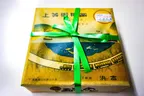
Kakegami: the paper wrapper on an ekiben
A kakegami is the printed sheet tied over an ekiben, Japan's station bento. What has been printed on it, who keeps it, and how the wrapper of Tōge no Kamameshi has changed since 1960. -
Masu no Sushi: Toyama's pressed trout sushi in a round wooden box
Masu-zushi is Toyama's pressed trout sushi, wrapped in bamboo grass in a round wooden box. How it is made, how it became a Toyama Station ekiben, and how to cut it. -
What is onigiri? Japan's rice ball, also called omusubi
Onigiri is cooked rice pressed by hand into a triangle or ball, salted, filled and often wrapped in nori. Its shapes, its 2,000-year history, and the name omusubi. -

Picnic and bento: what the meal on the grass and the Japanese boxed meal have in common
A picnic and a bento are both meals prepared ahead and carried along. Where the word picnic comes from, what goes into the hamper, into the tiered boxes of hanami and into the bento for a train journey, and what sets them apart. -

Tachiuri: the platform vendors who sold ekiben through train windows
Tachiuri walked Japan's station platforms with a box of bento hung from their shoulders and sold through train windows. Who they were, and why they vanished. -

What is one gō? How Japan measures rice
One gō is about 180 mL, or about 150 grams of rice. How gō, shō, to and koku fit together, where the masu box came from, and what the old measures still size today.