

Categories
Food and culture
-
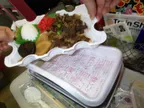
Self-heating ekiben: how a station bento warms itself at the pull of a string
Under the tray of a self-heating ekiben are quicklime and a bag of water. How pulling the string heats the meal, who began it, and how to use one. -
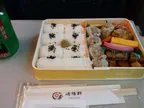
Shūmai bento: Yokohama's station bento from Kiyoken, sold since 1954
The shūmai bento packs rice, five pork-and-scallop dumplings and side dishes into a box of shaved wood. How Kiyoken made it the ekiben of Yokohama. -

Japanese soy sauce: the five types and how they differ
Japan's standard sorts soy sauce into five types: koikuchi, usukuchi, tamari, saishikomi and shiro. What goes into each, where it comes from and how it is used. -
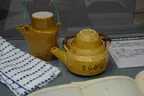
Train tea in Japan: from clay teapots to plastic bottles
Tea sold with ekiben at Japan's stations once came in small pottery teapots called kisha dobin. How glass, polyethylene, cans and PET bottles took their place. -
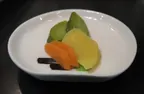
Tsukemono: Japan's pickles and why they come with rice
Tsukemono are Japanese pickles, mostly vegetables cured in salt, rice bran, sake lees, miso, soy sauce, vinegar or kōji. The kinds, the history and the regions. -
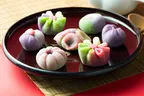
Wagashi: Japanese sweets and the seasons
Wagashi are Japan's traditional sweets of bean paste, rice flour and sugar. Their types, their history, and the sweets that mark each season, from sakuramochi to moon-viewing dumplings. -

Washi: Japan's handmade paper and how it is made
Washi is Japan's handmade paper, made from the bark fibers of kōzo, mitsumata and gampi. How a sheet is formed on a bamboo screen, what it has been used for and where it is made. -
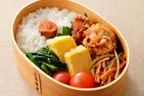
What is bento? The Japanese boxed meal, from rice balls to makunouchi
Bento is a meal carried to be eaten away from home. How it grew from rice balls wrapped in leaves into the makunouchi and shōkadō boxes of today. -
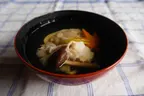
What is dashi? The stock behind Japanese cooking
Dashi is the stock of Japanese cooking, drawn from kombu, katsuobushi, niboshi or dried shiitake. How it is made, what umami is, and why east and west differ. -
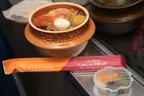
What is ekiben? Japan's railway bento and Tōge no Kamameshi
Ekiben are boxed meals sold at Japan's railway stations. Learn where they are said to have begun in 1885, why every region has its own, and how Tōge no Kamameshi fits in. -
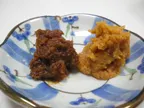
Miso: the types and what makes them different
Miso is soybeans fermented with salt and kōji. How rice, barley and soybean miso differ, why some are red and some white, and where each kind is made. -
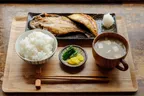
What is washoku? Japan's traditional food culture
Washoku is Japanese-style eating: rice, soup, pickles and side dishes, tied to the seasons and the calendar. What UNESCO inscribed in 2013, and what ichijū sansai, kaiseki and osechi mean.