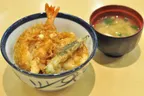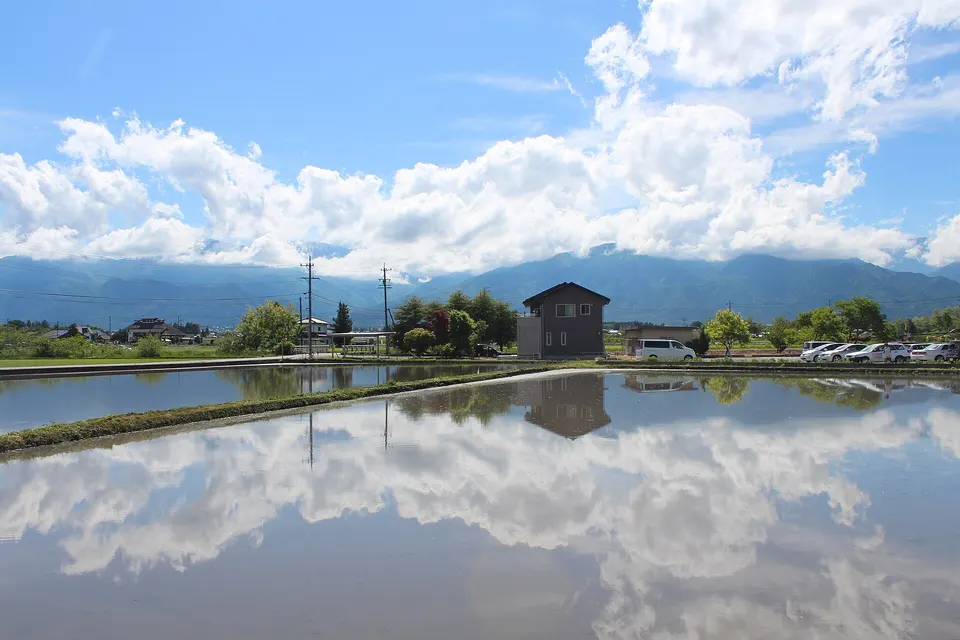
Koshihikari is a variety of Japanese short-grain rice, crossed in Niigata Prefecture in 1944, bred in Fukui Prefecture and registered in 1956. In the 2025 crop it covered 31.4 percent of the area planted with ordinary, non-glutinous rice in Japan, more than any other variety, and the three varieties ranked after it each have Koshihikari as a parent.
Japonica: the short, sticky grain
Cultivated rice falls into two broad groups, japonica and indica. Japonica grains are small and rounded and turn sticky when cooked. Indica grains are long and slender, and the cooked rice has little stickiness. A japonica grain is 1.7 to 1.8 times as long as it is wide, and an indica grain is usually about 2.5 times. Japonica is grown in Japan, on the Korean Peninsula, in northern China and in places such as California. Most of the world's rice is indica.
Uruchi, mochi and rice for sake
Japonica and indica each come in two kinds. Uruchi rice is the ordinary rice that is cooked and eaten plain. Mochi rice, or glutinous rice, is made into mochi rice cakes and sekihan, rice steamed with red beans. The difference is in the starch. Uruchi starch is about 20 percent amylose and 80 percent amylopectin. Mochi starch is almost all amylopectin, which makes it sticky. A ripe uruchi grain is translucent, and a ripe mochi grain is usually a cloudy milk-white.
Of Japan's paddy rice area in the 2025 crop, 95.4 percent was uruchi rice, 3.3 percent mochi rice and 1.3 percent rice for brewing sake. Sake rice varieties such as Yamada Nishiki, Omachi and Gohyakumangoku have large grains with a cloudy white core.
Rice with only the husk removed is brown rice, genmai, and milling away its bran and germ leaves white rice. The next step is told in how rice is cooked in Japan.
A cross made in wartime
Koshihikari's parents were crossed in 1944 at the Niigata Prefectural Agricultural Experiment Station. The mother, Nōrin 22, resisted rice blast, one of the main diseases of rice. The father, Nōrin 1, yielded well and tasted good but was weak against blast. With staff called up for the war, the seed from the cross could not be planted in 1945 and was kept in storage.
In 1948, 20 selected plants were handed on to an agricultural experiment station in Fukui. In June of that year a magnitude 7.1 earthquake struck Fukui Prefecture and made it hard to continue trials in many of the station's test paddies, but the 20 plants escaped damage. In 1953 one of the lines bred from the 20 plants was named Etsunan 17 and sent to 22 prefectures for trial planting.
Etsunan 17 tasted good, but its long stems fell over easily and it was weak against blast, as most of the test sites pointed out. Its breeder in Fukui had wondered whether to throw it away. At Niigata's experiment station, though, the fallen plants had ripened well with their ears almost undamaged, and the station's director judged that a defect that cultivation methods can cover is not a fatal defect.
In 1956 Niigata and Chiba prefectures adopted Etsunan 17 as a recommended variety, one that a prefecture encourages its farmers to plant, and it was registered as Nōrin 100 under the name Koshihikari. Koshi is the old name of the Hokuriku region, which includes Niigata, and hikari means light. The name carries the wish that the variety would shine in the land of Koshi.
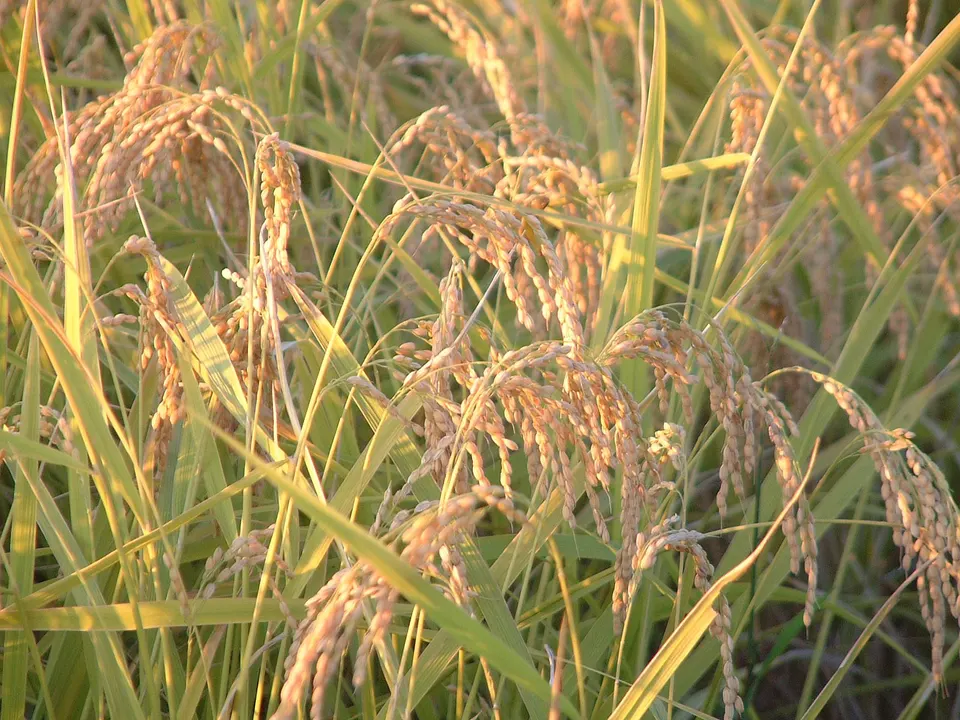
Why Koshihikari spread
Koshihikari was hard to grow. To keep it from falling over, farmers had to apply fertilizer in several separate doses. In 1967, after years of rice shortage, Niigata Prefecture turned to higher-yielding varieties, and its Koshihikari area fell sharply.
In 1969 the government introduced a system under which some high-quality rice could be sold directly to wholesalers instead of through the government. Rice of good-tasting varieties and from good producing districts began to sell at higher prices, and shoppers began to choose rice by variety and origin. In 1979 Koshihikari reached 13.2 percent of the national rice area and passed Nipponbare to take first place.
In the 2025 crop Koshihikari was the most planted variety in 24 prefectures, and it covered 67.0 percent of the uruchi rice area in Niigata.
The other main varieties
About 1,000 rice varieties were registered in Japan as of 2023, and about 300 are actually planted. In the 2025 crop the twenty most planted varieties covered 77.8 percent of the uruchi rice area.
| Variety | Share, 2025 crop | Parents | Bred in, year named or registered | Main producing prefectures |
|---|---|---|---|---|
| Koshihikari | 31.4% | Nōrin 22 and Nōrin 1 | Niigata and Fukui, 1956 | Niigata, Ibaraki, Fukushima |
| Hitomebore | 8.5% | Koshihikari and Hatsuboshi | Miyagi, 1991 | Miyagi, Iwate, Fukushima |
| Hinohikari | 6.7% | Koshihikari and Koganebare | Miyazaki, 1989 | Kumamoto, Kagoshima, Oita |
| Akitakomachi | 6.5% | Koshihikari and Ōu 292 | Crossed in Fukui, selected in Akita, 1984 | Akita, Ibaraki, Iwate |
| Nanatsuboshi | 3.5% | Hitomebore and others | Hokkaido, 2001 | Hokkaido |
Sasanishiki, bred in Miyagi and named in 1963, was once as popular as Koshihikari. It is weak against blast and cold weather, and by the 2025 crop it covered 7.1 percent of the uruchi rice area in Miyagi.
Since the 1971 crop the Japan Grain Inspection Association has ranked rice by taste every year, comparing cooked white rice with a standard rice blended from Koshihikari of several producing areas. For the 2025 crop, 43 of the 144 entries tested, each a variety from a particular producing area, received the top rank, Special A.
The rice in Tōge no Kamameshi
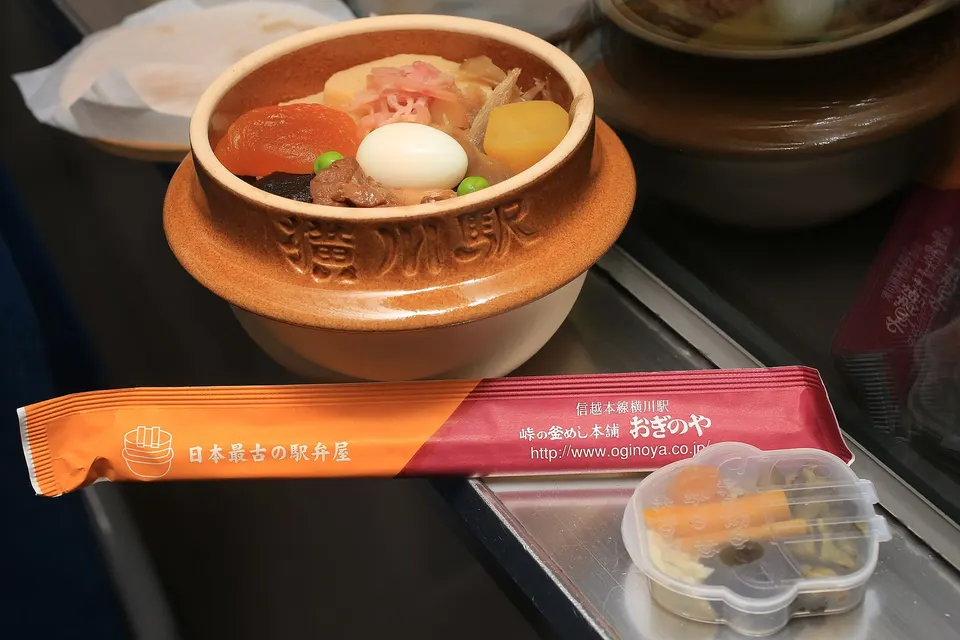
The rice under the nine toppings of Tōge no Kamameshi is Koshihikari, mainly from Azumino in Nagano Prefecture. In Nagano, Koshihikari covered 78.7 percent of the uruchi rice area in the 2025 crop. Oginoya selects the rice and mills it itself, then cooks it with Rishiri kombu, dashi and its own blend of soy sauce. Oginoya calls this seasoned rice chameshi. The cooked rice and the toppings are packed into an earthenware pot of Mashiko ware.
References
- Niigata Prefecture, "The path of Niigata Koshihikari, from its birth to its establishment"
- Niigata Prefecture, "Koshihikari episode 1: from the cross to the breeding of the line"
- Niigata Prefecture, "Koshihikari episode 2: from recommended variety to registration"
- Niigata Prefecture, "Koshihikari episode 3: taking root in Niigata and across Japan"
- Niigata Prefecture, "Where the name Koshihikari comes from"
- Rice Stable Supply Support Organization, "Paddy rice planting by variety, 2025 crop" (PDF, October 2, 2026)
- Ministry of Agriculture, Forestry and Fisheries, "Rice brands by producing area and the evolution of blended rice"
- NARO Tohoku Agricultural Research Center, "How Akitakomachi was bred"
- NARO Tohoku Agricultural Research Center, "Variety notes: Hitomebore"
- Japan Grain Inspection Association, "Rice taste ranking"
- Fukui Prefectural Archives, History of Fukui Prefecture, vol. 6, "From higher yields to quality"
- Kotobank, "Koshihikari"
- Kotobank, "Ine" (rice plant)
- Kotobank, "Kome" (rice)
- Kotobank, "Uruchi"
- Kotobank, "Mochigome"
- Kotobank, "Hinohikari"
- Kotobank, "Nanatsuboshi"
- Kotobank, "Sasanishiki"
- Oginoya online shop, "What makes Tōge no Kamameshi taste the way it does"
- Oginoya online shop, "Tōge no Kamameshi in the ceramic pot"
Image credits (resized for display):
- KCyamazaki / Wikimedia Commons, CC BY-SA 4.0, 2015
- Siriusplot / Wikimedia Commons, CC BY-SA 3.0, 2006
- pcs34560 / Wikimedia Commons, Public domain, 2016