


89 articles
-
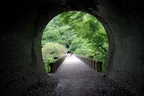
Abt no Michi and Meganebashi: walking the old Usui Pass railway
Abt no Michi is a 6.3-kilometer path on a closed railway over the Usui Pass. It passes a 1911 substation, ten brick tunnels and the Meganebashi bridge of 1892. -
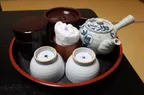
Japanese ceramics as souvenirs: what the everyday pieces are for
Rice bowl, tea cup, teapot, sake flask, small dishes: what Japan's everyday tableware is called, what each piece is for, and what the Traditional Mark means. -

Carrying Japanese ceramics home in your luggage
Cabin bag or checked bag, how large a cabin bag may be, how to wrap a bowl so that nothing moves, and what Japan's tax-free refund asks of a traveler at the airport. -
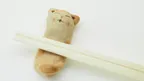
Chopsticks in Japan: how to hold them and what to avoid
How to hold Japanese chopsticks, the habits known as kirai-bashi and why two of them recall funerals, plus disposable waribashi, lacquered Wakasa chopsticks and chopstick rests. -
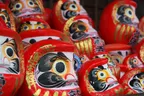
Daruma Bento: Takasaki's ekiben in a red daruma doll
Daruma Bento, the ekiben of Takasaki Station, comes in a red daruma-shaped container that becomes a coin bank. What is inside, and why Takasaki makes daruma. -

Depachika: the food halls under Japan's department stores
A depachika is the food floor in the basement of a Japanese department store. What it sells, how food came to be in the basement beside the station, and when the boom began. -
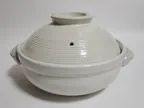
Donabe and kama: Japan's clay pot and rice pot compared
A donabe is a shallow, lidded clay pot for simmering and hot pot. A kama is a deep, flanged pot for cooking rice. How they differ, and where the kamameshi pot fits. -
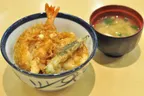
What is donburi? Japan's rice bowls, from unadon to katsudon
Donburi is rice in a deep bowl with a topping laid over it. The bowl itself, how unadon began, and when oyakodon, gyūdon, tendon and katsudon appeared. -
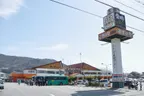
Japan's drive-ins: the roadside restaurants where you get out of the car
In Japan a drive-in is a roadside restaurant with a big parking lot, built for the car and bus travel of the 1960s. How it differs from a service area or a michi-no-eki, and why an ekiben maker opened one. -
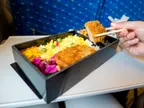
Can you eat on trains in Japan? Shinkansen, commuter trains and what to do with the box
Eating at your seat is normal on the Shinkansen and limited express trains, and bad manners on commuter trains. What the seats have, what is sold on board, and where the trash goes. -
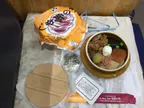
Ekiben containers: bamboo sheath, wooden boxes and a pot you can keep
Ekiben have come wrapped in bamboo sheath, boxed in shaved wood and packed in ceramic pots, plastic and molded pulp. Why each material was used, and since when. -

Ekiben fairs: when Japan's station bento come to the department store
At an ekiben fair, a department store gathers station bento from all over Japan in its event hall. How the fairs began, what happens at them, and why they exist. -
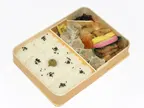
A history of ekiben: 140 years of Japan's station bento
Ekiben began in 1885 as two rice balls and some pickled radish. How Japan's station bento became boxed meals, survived the war years and turned regional. -

Ekinaka: the shops and food halls inside Japan's train stations
Ekinaka is the shopping and dining space inside a Japanese railway station, past the ticket gates. When it began, what it sells, how to get in, and where the ekiben are. -
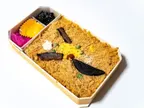
Famous ekiben of Japan: station bento from Hokkaido to Kyushu
Ikameshi at Mori, kamameshi at Yokokawa, shūmai bento at Yokohama, trout sushi at Toyama: the regional ekiben of Japan and the stations they are known by. -
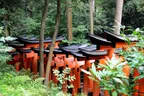
Fushimi Inari Taisha: why so many torii gates line Mount Inari
Fushimi Inari Taisha in Kyoto is the head shrine of about 30,000 Inari shrines. Why worshippers have given it some 10,000 torii, what the vermilion and the foxes mean, and how inarizushi got its name. -
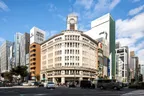
Ginza, Tokyo: the clock tower, the department stores and a main street without cars
Ginza is eight blocks of central Tokyo lined with department stores and specialty shops. How the clock tower, the car-free weekends and the Kabukiza theater came about. -
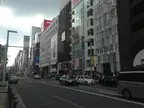
Ginza and Shimbashi: a silver mint, brick streets and Japan's first railway
Ginza takes its name from a silver mint of the Edo period. In 1872 it was rebuilt in brick, and Japan's first railway opened next door at Shimbashi. -
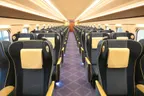
What is the Green Car on Japanese trains? Seats, the clover mark and Gran Class
The Green Car is the first-class car on Japan's JR trains, marked with a green four-leaf clover. What its seats add, what ticket it takes, where the name came from and what ranks above it. -
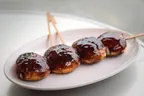
What to eat in Gunma: wheat noodles, yakimanjū, konnyaku and sukiyaki
Gunma eats wheat: okkirikomi noodles, three towns' udon and grilled yakimanjū. It also grows more than nine-tenths of Japan's konnyaku potatoes, and its ekiben comes in a clay pot.