Kamameshi is rice cooked together with seafood, chicken or vegetables in a small pot for one person, seasoned with soy sauce and sake, and brought to the table in that same pot. The name says as much: a kama is a pot for cooking rice, and meshi is cooked rice. The word has a second meaning, too. A meal packed into a pot-shaped container and sold at a railway station is also called kamameshi, and the well-known one is Tōge no Kamameshi from Yokokawa Station.
Cooked in a pot for one
Kamameshi is made with shrimp, crab, oysters, scallops, chicken, mushrooms or bamboo shoots. They go into the pot with the rice, along with soy sauce, sake or mirin, a sweet rice wine, and everything cooks together. Shellfish and matsutake mushrooms turn tough or lose their aroma if they cook too long, so they are added just before the rice is done and left to steam under the lid.
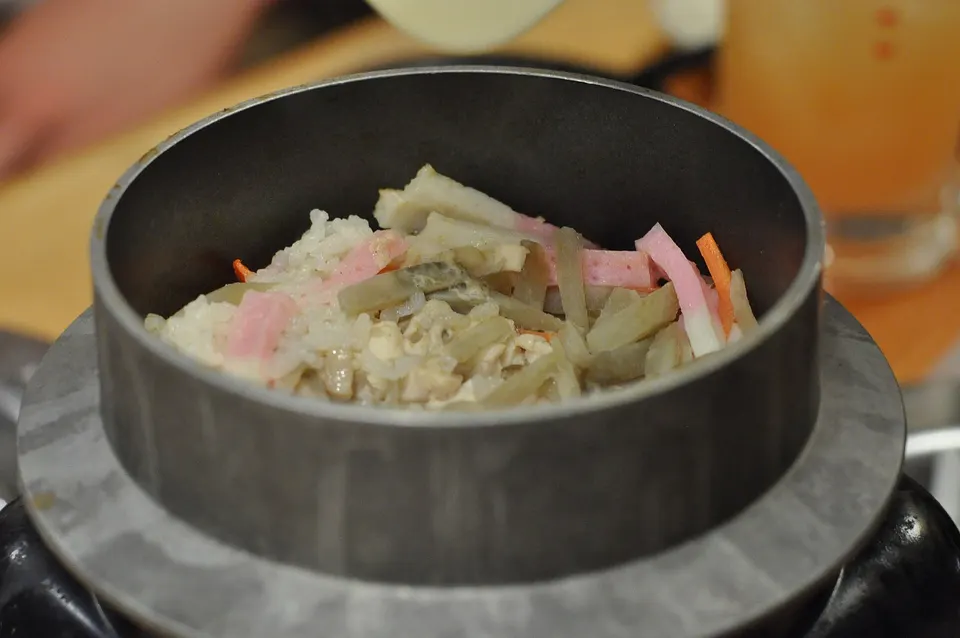
The pot comes to the table as it is, and the rice is scooped from it into a bowl. In another style, seasoned rice is cooked in the small pot first and the other ingredients are arranged on top.
Born after an earthquake
After the Great Kantō Earthquake of 1923, many people in the burned districts cooked rice in whatever pot they had and ate it straight from the pot. That was the hint. Before long, rice cooked with assorted ingredients in a small pot for one was being called kamameshi, and restaurants began to specialize in it.
Kamameshi at the station
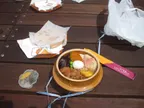
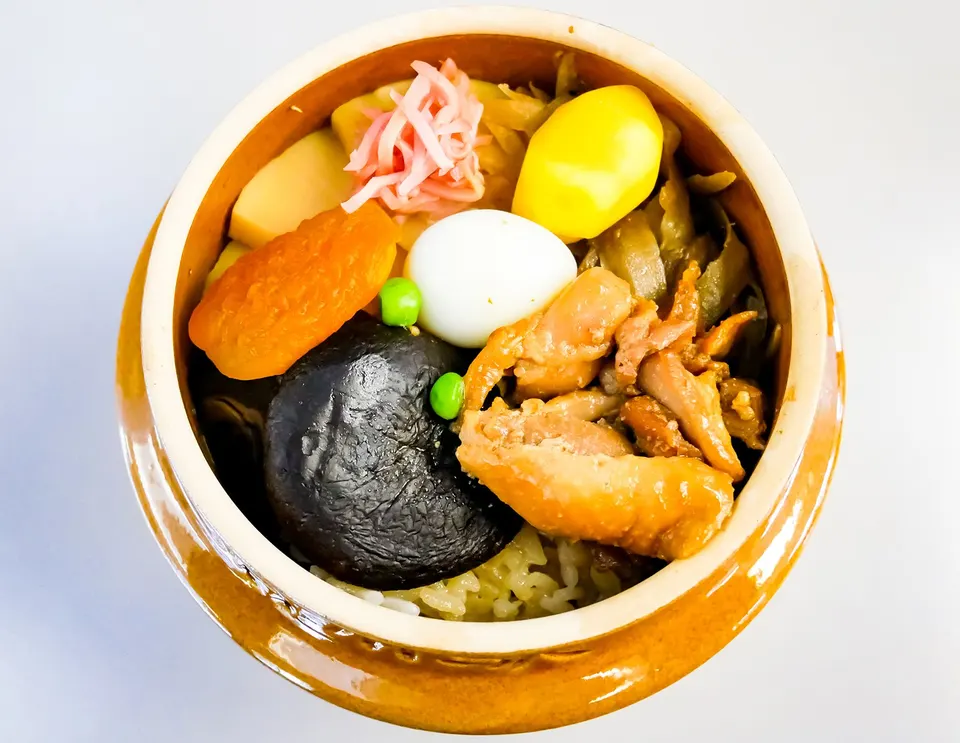
The second kind of kamameshi is an ekiben, a boxed meal sold at railway stations. Rice cooked with other ingredients is packed into a ceramic container shaped like a rice pot. Meals of this kind are sold in many parts of Japan, and the one that Japanese encyclopedias name is the kamameshi of Yokokawa Station on the Shin-etsu Main Line: Tōge no Kamameshi.
Oginoya put it on sale at Yokokawa Station on February 1, 1958. The usual ekiben at the time was a cold assortment of side dishes with rice. Travelers had asked for something warm and homelike that was also a pleasure to look at. Oginoya sold its 100 millionth pot in 1995, and the count has since passed 170 million.
What is inside
The rice is Koshihikari, cooked in a dashi that Oginoya keeps to its own recipe. On top are nine ingredients: chicken, burdock root, shiitake, bamboo shoot, a quail egg, chestnut, apricot, green peas and red pickled ginger. Pickles come in a separate container. The rice and toppings are cooked first and then packed into the pot.
The pot, and a second container
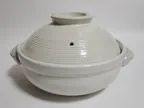
The pot is Mashiko ware, earthenware from the town of Mashiko in Tochigi Prefecture. Mashiko ware began with a kiln built there in 1853, and until the early Shōwa era its potters mainly made kitchenware such as storage jars and grinding bowls.
Oginoya chose a ceramic pot because passengers tired from long train journeys wanted a warm meal. The pots are sterilized at high heat before they are filled, and so they hold their warmth.
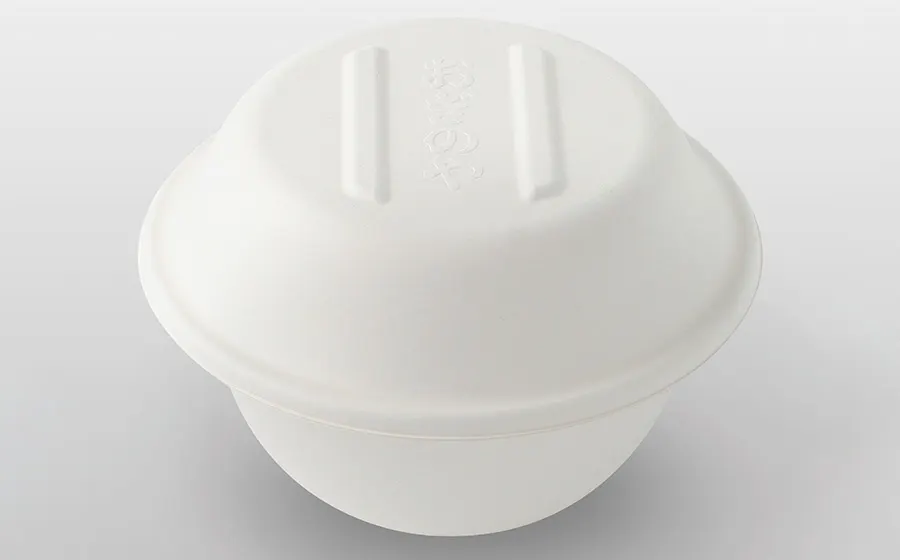
The pot is also heavy, and customers said so. Oginoya now sells Tōge no Kamameshi in a molded-pulp container as well, made from materials such as sugarcane residue. It reproduces the smooth, rounded shape of the ceramic pot, its surface has the texture of washi paper, and the meal inside is the same.
References
- Kotobank: “Kamameshi” (Japanese dictionaries and encyclopedias)
- Oginoya: Tōge no Kamameshi (English)
- Oginoya: History (English)
- Oginoya: The story behind Tōge no Kamameshi
- Oginoya: Tōge no Kamameshi in the ceramic pot
- Oginoya: Tōge no Kamameshi in the molded-pulp container
- Oginoya: About the containers
- Mashiko Pottery Cooperative: History of Mashiko ware
Image credits (resized for display):
- くろふね / Wikimedia Commons, CC BY 4.0, 2019
- Ocdp / Wikimedia Commons, CC0, 2015
- Oginoya