

Categories
Tōge no Kamameshi
-
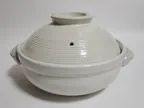
Donabe and kama: Japan's clay pot and rice pot compared
A donabe is a shallow, lidded clay pot for simmering and hot pot. A kama is a deep, flanged pot for cooking rice. How they differ, and where the kamameshi pot fits. -
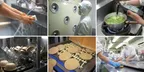
How Tōge no Kamameshi is made: two plants and 52,000 meals a day
Tōge no Kamameshi is made in two Oginoya plants, at Yokokawa and Suwa. How many they can make in a day, how the pots are steam-cleaned, and how hygiene is kept. -

Japan's pottery towns: a guide to the main kiln regions
Japan's kiln regions in three groups: the Six Ancient Kilns, the porcelain towns that followed Arita, and later pottery towns such as Mashiko. What marks each ware. -

Kamameshi, takikomi gohan and donburi: how Japan's rice dishes differ
Four Japanese rice dishes, one question: when do the rice and the other ingredients meet? How takikomi gohan, kamameshi, mazegohan and donburi differ. -

What is Mashiko ware? The pottery behind the kamameshi pot
Mashiko ware is pottery from Mashiko in Tochigi Prefecture, made since about 1853. Its kitchen jars and teapots, its three glazes, Hamada Shōji, and the kamameshi pot. -

What is mingei? Hamada Shōji and Japan's folk craft movement
Mingei means folk craft: everyday things made by unnamed craftspeople. How the word was coined in 1925, what it valued, and how the potter Hamada Shōji worked by it in Mashiko. -

The nine toppings of Tōge no Kamameshi
Chicken, burdock, shiitake, bamboo shoot, a quail egg, chestnut, apricot, green peas and red ginger: how each topping of Tōge no Kamameshi is prepared. -
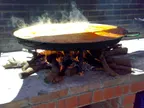
Paella, palov, biryani and kamameshi: rice cooked with everything in one pot
Kamameshi is Japan's one-pot rice. How its pot, its rice and its method compare with paella, Central Asian palov, Iran's polow and biryani. -
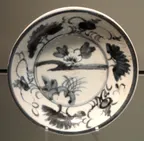
Pottery and porcelain: how to tell Japan's two kinds of ceramics apart
Pottery is fired clay that absorbs water and blocks light. Porcelain is white, glassy and rings when tapped. How Japan's two kinds of ceramics differ, and where each began. -

The pot of Tōge no Kamameshi: what it is made of and how to reheat it
The pot of Tōge no Kamameshi is Mashiko ware, sized for one serving of rice. Why a bento came in a ceramic pot, and how to reheat the meal in it in a microwave. -
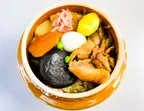
What is kamameshi? The Japanese rice dish and Tōge no Kamameshi
Kamameshi is rice cooked with seafood, chicken or vegetables in a small pot for one. Learn how it began, and how Tōge no Kamameshi became the station meal in a pot.