

Hashtags
#MashikoWare
-
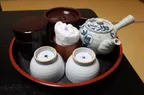
Japanese ceramics as souvenirs: what the everyday pieces are for
Rice bowl, tea cup, teapot, sake flask, small dishes: what Japan's everyday tableware is called, what each piece is for, and what the Traditional Mark means. -
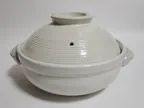
Donabe and kama: Japan's clay pot and rice pot compared
A donabe is a shallow, lidded clay pot for simmering and hot pot. A kama is a deep, flanged pot for cooking rice. How they differ, and where the kamameshi pot fits. -

Japan's pottery towns: a guide to the main kiln regions
Japan's kiln regions in three groups: the Six Ancient Kilns, the porcelain towns that followed Arita, and later pottery towns such as Mashiko. What marks each ware. -

Mashiko: the pottery town in Tochigi
Mashiko is a town of about 20,000 people in Tochigi Prefecture where pottery has been made since about 1853: its kilns, its fair, Hamada Shōji's house, indigo vats and a gate of 1492. -

What is Mashiko ware? The pottery behind the kamameshi pot
Mashiko ware is pottery from Mashiko in Tochigi Prefecture, made since about 1853. Its kitchen jars and teapots, its three glazes, Hamada Shōji, and the kamameshi pot. -

What is mingei? Hamada Shōji and Japan's folk craft movement
Mingei means folk craft: everyday things made by unnamed craftspeople. How the word was coined in 1925, what it valued, and how the potter Hamada Shōji worked by it in Mashiko. -
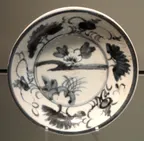
Pottery and porcelain: how to tell Japan's two kinds of ceramics apart
Pottery is fired clay that absorbs water and blocks light. Porcelain is white, glassy and rings when tapped. How Japan's two kinds of ceramics differ, and where each began. -

The pot of Tōge no Kamameshi: what it is made of and how to reheat it
The pot of Tōge no Kamameshi is Mashiko ware, sized for one serving of rice. Why a bento came in a ceramic pot, and how to reheat the meal in it in a microwave. -
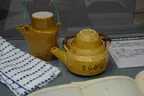
Train tea in Japan: from clay teapots to plastic bottles
Tea sold with ekiben at Japan's stations once came in small pottery teapots called kisha dobin. How glass, polyethylene, cans and PET bottles took their place. -
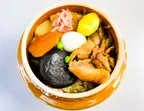
What is kamameshi? The Japanese rice dish and Tōge no Kamameshi
Kamameshi is rice cooked with seafood, chicken or vegetables in a small pot for one. Learn how it began, and how Tōge no Kamameshi became the station meal in a pot.