

Articles
Page 4 of 5
-
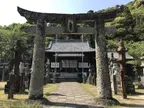
Shrine vs. temple in Japan: what is the difference?
A shrine is a Shinto place for the kami; a temple is Buddhist, with images of buddhas. How to tell them apart in Japan, how to pray at each, and why they mixed. -
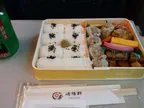
Shūmai bento: Yokohama's station bento from Kiyoken, sold since 1954
The shūmai bento packs rice, five pork-and-scallop dumplings and side dishes into a box of shaved wood. How Kiyoken made it the ekiben of Yokohama. -

Snow monkeys: why the macaques of Jigokudani bathe in a hot spring
At Jigokudani in northern Nagano, wild Japanese macaques sit in a hot spring through winters when the temperature falls below minus 10°C. The habit began with one young monkey in 1963. -
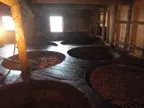
Japanese soy sauce: the five types and how they differ
Japan's standard sorts soy sauce into five types: koikuchi, usukuchi, tamari, saishikomi and shiro. What goes into each, where it comes from and how it is used. -
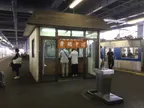
Station soba in Japan: the standing noodle counters on the platform
Station soba is a bowl of noodles in hot broth, eaten standing at a counter in the station. What is in the bowl, how to order by ticket, and how it began at Karuizawa. -
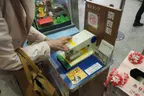
Station stamps in Japan: the free souvenir kept by the ticket gate
Japan's station stamps are rubber stamps that travelers press into a notebook for free. What they show, how they began at Fukui in 1931, and where to find them. -
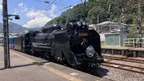
Steam locomotives in Japan: where they still run, and how they came back
Japan's national railway ran its last steam passenger train in 1975, and steam was back within a year. Which locomotives run today, and the steam train to Yokokawa. -

Suwa: the lake, the four shrines and the log-riding festival
Suwa lies around a lake 759 meters up in central Nagano. Its ice ridges, the four shrines of Suwa Taisha, the Onbashira log festival, hot springs and silk. -
Takkyūbin: how to send your luggage ahead in Japan
Takuhaibin is Japan's door-to-door parcel service, and Takkyūbin is one carrier's name for it. How it began in 1976, how a suitcase is sent to an airport or a hotel, and what the Shinkansen asks of large bags. -
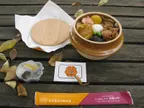
The pot of Tōge no Kamameshi: what it is made of and how to reheat it
The pot of Tōge no Kamameshi is Mashiko ware, sized for one serving of rice. Why a bento came in a ceramic pot, and how to reheat the meal in it in a microwave. -

Tokyo Station: the red-brick station at the center of Japan's railways
Tokyo Station opened in 1914 as the capital's central station. Who designed its red-brick building, how it burned in 1945, and how it got its domes back in 2012. -
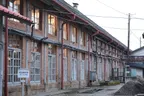
Tomioka Silk Mill: Japan's first government silk factory
Tomioka Silk Mill opened in Gunma in 1872 with French machines to teach Japan machine silk reeling. Who built it, who worked there, and why it is a World Heritage site. -
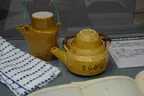
Train tea in Japan: from clay teapots to plastic bottles
Tea sold with ekiben at Japan's stations once came in small pottery teapots called kisha dobin. How glass, polyethylene, cans and PET bottles took their place. -
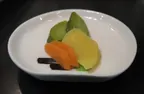
Tsukemono: Japan's pickles and why they come with rice
Tsukemono are Japanese pickles, mostly vegetables cured in salt, rice bran, sake lees, miso, soy sauce, vinegar or kōji. The kinds, the history and the regions. -

Ueno Station: Tokyo's gateway to the north
Ueno Station opened in 1883 as the Tokyo terminal of Japan's first private steam railway. Why trains for the north started here, its 1932 building and two levels of tracks, and what changed in 1985 and 2015. -
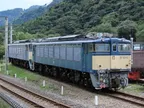
Usui Pass Railway Heritage Park: the Yokokawa depot where visitors drive an EF63
The Usui Pass Railway Heritage Park opened in 1999 on the site of the locomotive depot at Yokokawa. It shows over 30 railway vehicles and lets visitors drive an EF63. -
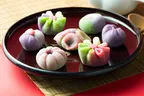
Wagashi: Japanese sweets and the seasons
Wagashi are Japan's traditional sweets of bean paste, rice flour and sugar. Their types, their history, and the sweets that mark each season, from sakuramochi to moon-viewing dumplings. -
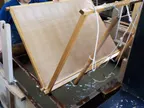
Washi: Japan's handmade paper and how it is made
Washi is Japan's handmade paper, made from the bark fibers of kōzo, mitsumata and gampi. How a sheet is formed on a bamboo screen, what it has been used for and where it is made. -

What is a ryokan? Japan's traditional inns and how they differ from hotels
A ryokan is a Japanese-style inn: tatami rooms, futon, a cotton yukata, and dinner and breakfast with the stay. How ryokan differ from hotels, where they came from and how many there are. -
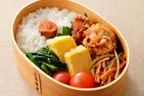
What is bento? The Japanese boxed meal, from rice balls to makunouchi
Bento is a meal carried to be eaten away from home. How it grew from rice balls wrapped in leaves into the makunouchi and shōkadō boxes of today.