

Categories
Travel basics
-
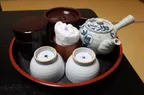
Japanese ceramics as souvenirs: what the everyday pieces are for
Rice bowl, tea cup, teapot, sake flask, small dishes: what Japan's everyday tableware is called, what each piece is for, and what the Traditional Mark means. -

Carrying Japanese ceramics home in your luggage
Cabin bag or checked bag, how large a cabin bag may be, how to wrap a bowl so that nothing moves, and what Japan's tax-free refund asks of a traveler at the airport. -

Depachika: the food halls under Japan's department stores
A depachika is the food floor in the basement of a Japanese department store. What it sells, how food came to be in the basement beside the station, and when the boom began. -
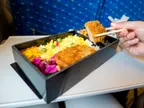
Can you eat on trains in Japan? Shinkansen, commuter trains and what to do with the box
Eating at your seat is normal on the Shinkansen and limited express trains, and bad manners on commuter trains. What the seats have, what is sold on board, and where the trash goes. -

Ekinaka: the shops and food halls inside Japan's train stations
Ekinaka is the shopping and dining space inside a Japanese railway station, past the ticket gates. When it began, what it sells, how to get in, and where the ekiben are. -
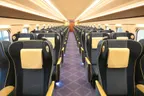
What is the Green Car on Japanese trains? Seats, the clover mark and Gran Class
The Green Car is the first-class car on Japan's JR trains, marked with a green four-leaf clover. What its seats add, what ticket it takes, where the name came from and what ranks above it. -
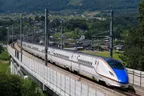
The Hokuriku Shinkansen: from Tokyo over the Usui Pass to the Sea of Japan
The Hokuriku Shinkansen runs from Tokyo to Tsuruga by way of Takasaki, Karuizawa, Nagano, Toyama, Kanazawa and Fukui. Its route, its three openings and its four train names. -
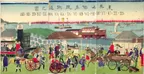
A history of Japan's railways: from Shimbashi in 1872 to the JR companies
Japan's first railway opened between Shimbashi and Yokohama in 1872. How private companies, the nationalization of 1906, the national railway and the 1987 breakup shaped the network. -

Japan's four seasons: what happens when, from cherry blossoms to snow
Japan's weather agency counts spring from March, summer from June, autumn from September and winter from December. The 30-year average dates for cherry blossoms, the rainy season, typhoons, autumn leaves and snow. -
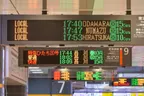
Local, rapid, express, limited express: how Japan's train categories work
What futsū, kaisoku, kyūkō and tokkyū mean on a Japanese departure board: how many stations each skips, which need an extra ticket on JR, and how private railways differ. -
What is a konbini? Japan's convenience stores and what they do
A konbini is a Japanese convenience store: a small self-service shop open long hours, every day of the year. What it sells, what else you can do there, and how it began in the 1970s. -
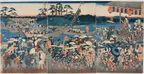
Omiyage: why travelers in Japan bring something home
Omiyage are things bought on a trip and handed out at home. Where the word comes from, how Edo-period pilgrimages shaped the custom, and how railways made local sweets travel. -

How to bathe in an onsen: Japan's hot-spring rules, from washing first to tattoos
At a Japanese onsen you undress completely, wash before getting in and keep your towel out of the water. What makes water an onsen, the board in the changing room, mixed bathing and tattoos. -
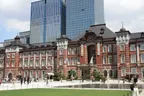
Railway heritage in Japan: what has been kept, and who protects it
Brick bridges on a closed mountain line, stations of 1914 still in use, a Kyoto roundhouse and Locomotive No. 1: what Japan has kept of its railways, and how. -
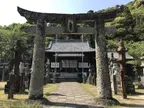
Shrine vs. temple in Japan: what is the difference?
A shrine is a Shinto place for the kami; a temple is Buddhist, with images of buddhas. How to tell them apart in Japan, how to pray at each, and why they mixed. -
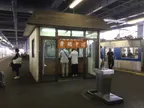
Station soba in Japan: the standing noodle counters on the platform
Station soba is a bowl of noodles in hot broth, eaten standing at a counter in the station. What is in the bowl, how to order by ticket, and how it began at Karuizawa. -
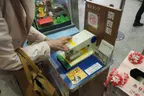
Station stamps in Japan: the free souvenir kept by the ticket gate
Japan's station stamps are rubber stamps that travelers press into a notebook for free. What they show, how they began at Fukui in 1931, and where to find them. -
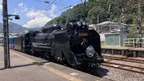
Steam locomotives in Japan: where they still run, and how they came back
Japan's national railway ran its last steam passenger train in 1975, and steam was back within a year. Which locomotives run today, and the steam train to Yokokawa. -
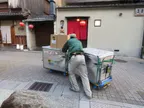
Takkyūbin: how to send your luggage ahead in Japan
Takuhaibin is Japan's door-to-door parcel service, and Takkyūbin is one carrier's name for it. How it began in 1976, how a suitcase is sent to an airport or a hotel, and what the Shinkansen asks of large bags. -
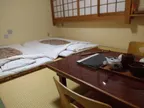
What is a ryokan? Japan's traditional inns and how they differ from hotels
A ryokan is a Japanese-style inn: tatami rooms, futon, a cotton yukata, and dinner and breakfast with the stay. How ryokan differ from hotels, where they came from and how many there are.