

Hashtags
#Oginoya
-
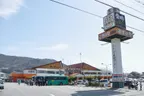
Japan's drive-ins: the roadside restaurants where you get out of the car
In Japan a drive-in is a roadside restaurant with a big parking lot, built for the car and bus travel of the 1960s. How it differs from a service area or a michi-no-eki, and why an ekiben maker opened one. -

Ekiben fairs: when Japan's station bento come to the department store
At an ekiben fair, a department store gathers station bento from all over Japan in its event hall. How the fairs began, what happens at them, and why they exist. -
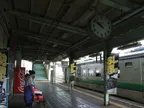
How ekiben are sold: platforms, train windows and department stores
Ekiben were once passed through train windows by vendors on the platform. How the selling of Japan's station bento moved to shops, trains and department stores. -
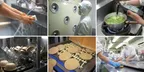
How Tōge no Kamameshi is made: two plants and 52,000 meals a day
Tōge no Kamameshi is made in two Oginoya plants, at Yokokawa and Suwa. How many they can make in a day, how the pots are steam-cleaned, and how hygiene is kept. -

Kakegami: the paper wrapper on an ekiben
A kakegami is the printed sheet tied over an ekiben, Japan's station bento. What has been printed on it, who keeps it, and how the wrapper of Tōge no Kamameshi has changed since 1960. -

The nine toppings of Tōge no Kamameshi
Chicken, burdock, shiitake, bamboo shoot, a quail egg, chestnut, apricot, green peas and red ginger: how each topping of Tōge no Kamameshi is prepared. -
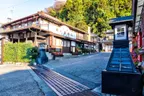
Oginoya: the station vendor behind Tōge no Kamameshi
Oginoya has sold meals to rail travelers at Yokokawa Station since 1885. This is how a small mountain station produced Tōge no Kamameshi, one of Japan's best-known ekiben. -
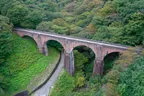
Yokokawa and the Usui Pass: the railway that climbed 66.7 per mil
From Yokokawa Station, trains once climbed the Usui Pass on a grade of 66.7 per mil. How they did it, and why the stop at Yokokawa made Tōge no Kamameshi famous.