

Hashtags
#Washoku
-
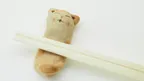
Chopsticks in Japan: how to hold them and what to avoid
How to hold Japanese chopsticks, the habits known as kirai-bashi and why two of them recall funerals, plus disposable waribashi, lacquered Wakasa chopsticks and chopstick rests. -
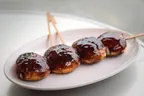
What to eat in Gunma: wheat noodles, yakimanjū, konnyaku and sukiyaki
Gunma eats wheat: okkirikomi noodles, three towns' udon and grilled yakimanjū. It also grows more than nine-tenths of Japan's konnyaku potatoes, and its ekiben comes in a clay pot. -
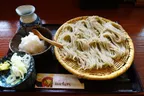
What to eat in Nagano: soba, oyaki and the food of Shinshu
Nagano, the old Shinshu, is mountain country with no coast. Why its food is soba, oyaki dumplings, nozawana pickles, gohei mochi, apples and wasabi. -

Japanese soy sauce: the five types and how they differ
Japan's standard sorts soy sauce into five types: koikuchi, usukuchi, tamari, saishikomi and shiro. What goes into each, where it comes from and how it is used. -
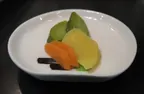
Tsukemono: Japan's pickles and why they come with rice
Tsukemono are Japanese pickles, mostly vegetables cured in salt, rice bran, sake lees, miso, soy sauce, vinegar or kōji. The kinds, the history and the regions. -

What is a ryokan? Japan's traditional inns and how they differ from hotels
A ryokan is a Japanese-style inn: tatami rooms, futon, a cotton yukata, and dinner and breakfast with the stay. How ryokan differ from hotels, where they came from and how many there are. -
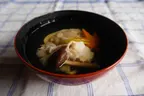
What is dashi? The stock behind Japanese cooking
Dashi is the stock of Japanese cooking, drawn from kombu, katsuobushi, niboshi or dried shiitake. How it is made, what umami is, and why east and west differ. -
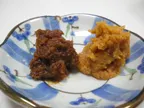
Miso: the types and what makes them different
Miso is soybeans fermented with salt and kōji. How rice, barley and soybean miso differ, why some are red and some white, and where each kind is made. -
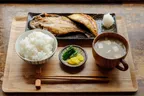
What is washoku? Japan's traditional food culture
Washoku is Japanese-style eating: rice, soup, pickles and side dishes, tied to the seasons and the calendar. What UNESCO inscribed in 2013, and what ichijū sansai, kaiseki and osechi mean.