

Categories
Oginoya
-
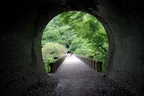
Abt no Michi and Meganebashi: walking the old Usui Pass railway
Abt no Michi is a 6.3-kilometer path on a closed railway over the Usui Pass. It passes a 1911 substation, ten brick tunnels and the Meganebashi bridge of 1892. -
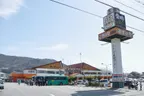
Japan's drive-ins: the roadside restaurants where you get out of the car
In Japan a drive-in is a roadside restaurant with a big parking lot, built for the car and bus travel of the 1960s. How it differs from a service area or a michi-no-eki, and why an ekiben maker opened one. -
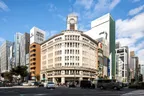
Ginza, Tokyo: the clock tower, the department stores and a main street without cars
Ginza is eight blocks of central Tokyo lined with department stores and specialty shops. How the clock tower, the car-free weekends and the Kabukiza theater came about. -
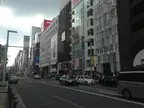
Ginza and Shimbashi: a silver mint, brick streets and Japan's first railway
Ginza takes its name from a silver mint of the Edo period. In 1872 it was rebuilt in brick, and Japan's first railway opened next door at Shimbashi. -
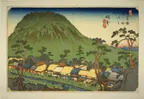
The Nakasendō and the Usui Barrier: the old road over the pass
The Nakasendō ran inland from Edo to Kyoto through 69 stations. It climbed about 685 meters to the Usui Pass, past a barrier that checked for guns and women. -
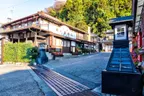
Oginoya: the station vendor behind Tōge no Kamameshi
Oginoya has sold meals to rail travelers at Yokokawa Station since 1885. This is how a small mountain station produced Tōge no Kamameshi, one of Japan's best-known ekiben. -
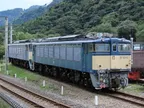
Usui Pass Railway Heritage Park: the Yokokawa depot where visitors drive an EF63
The Usui Pass Railway Heritage Park opened in 1999 on the site of the locomotive depot at Yokokawa. It shows over 30 railway vehicles and lets visitors drive an EF63. -
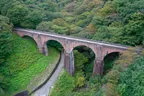
Yokokawa and the Usui Pass: the railway that climbed 66.7 per mil
From Yokokawa Station, trains once climbed the Usui Pass on a grade of 66.7 per mil. How they did it, and why the stop at Yokokawa made Tōge no Kamameshi famous.