

Articles
Page 2 of 5
-
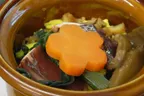
Hipparidako Meshi: Akashi's octopus rice ekiben in a ceramic octopus pot
Hipparidako Meshi is octopus rice sold as an ekiben in a ceramic pot shaped like an octopus trap. What is inside, why it began in 1998, and how Akashi catches octopus. -

The Hokuriku Shinkansen: from Tokyo over the Usui Pass to the Sea of Japan
The Hokuriku Shinkansen runs from Tokyo to Tsuruga by way of Takasaki, Karuizawa, Nagano, Toyama, Kanazawa and Fukui. Its route, its three openings and its four train names. -
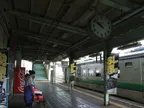
How ekiben are sold: platforms, train windows and department stores
Ekiben were once passed through train windows by vendors on the platform. How the selling of Japan's station bento moved to shops, trains and department stores. -
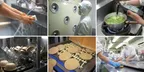
How Tōge no Kamameshi is made: two plants and 52,000 meals a day
Tōge no Kamameshi is made in two Oginoya plants, at Yokokawa and Suwa. How many they can make in a day, how the pots are steam-cleaned, and how hygiene is kept. -
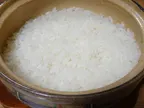
How rice is cooked in Japan: washing, soaking, resting and the rice cooker
Japanese rice is washed, soaked, cooked until the water is gone and rested under the lid. What each step does to the grain, and how the kamado gave way to the rice cooker. -
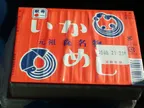
Ikameshi: the squid-and-rice ekiben of Mori Station, Hokkaido
Ikameshi is squid stuffed with rice and simmered in sweet soy sauce. How a wartime ekiben from a small station in Hokkaido became known all over Japan. -
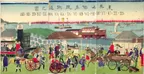
A history of Japan's railways: from Shimbashi in 1872 to the JR companies
Japan's first railway opened between Shimbashi and Yokohama in 1872. How private companies, the nationalization of 1906, the national railway and the 1987 breakup shaped the network. -
Japan's pottery towns: a guide to the main kiln regions
Japan's kiln regions in three groups: the Six Ancient Kilns, the porcelain towns that followed Arita, and later pottery towns such as Mashiko. What marks each ware. -
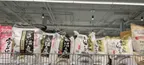
Cooking Japanese rice at home, outside Japan
Which rice to buy, how to read a Japanese rice bag, how to measure without a gō cup, and how to cook the rice in an ordinary pot when there is no rice cooker. -
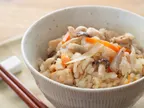
Kamameshi, takikomi gohan and donburi: how Japan's rice dishes differ
Four Japanese rice dishes, one question: when do the rice and the other ingredients meet? How takikomi gohan, kamameshi, mazegohan and donburi differ. -
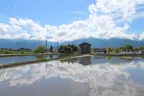
What is Koshihikari? A guide to Japan's rice varieties
Koshihikari was crossed in Niigata in 1944, bred in Fukui and registered in 1956. How it became Japan's most widely planted rice, and what the other varieties are. -
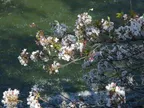
Japan's four seasons: what happens when, from cherry blossoms to snow
Japan's weather agency counts spring from March, summer from June, autumn from September and winter from December. The 30-year average dates for cherry blossoms, the rainy season, typhoons, autumn leaves and snow. -
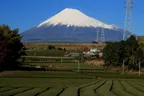
Sencha, matcha, hōjicha: the types of Japanese tea
Japanese teas all come from one plant. How shading, steaming, rolling and roasting turn its leaves into sencha, gyokuro, matcha, hōjicha and genmaicha. -
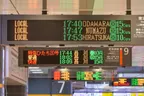
Local, rapid, express, limited express: how Japan's train categories work
What futsū, kaisoku, kyūkō and tokkyū mean on a Japanese departure board: how many stations each skips, which need an extra ticket on JR, and how private railways differ. -
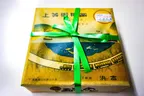
Kakegami: the paper wrapper on an ekiben
A kakegami is the printed sheet tied over an ekiben, Japan's station bento. What has been printed on it, who keeps it, and how the wrapper of Tōge no Kamameshi has changed since 1960. -
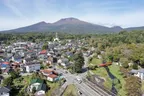
Karuizawa: how a post town on the Nakasendō became a summer resort
Karuizawa stands about 1,000 meters up at the foot of Mount Asama, just west of the Usui Pass. How a fading post town became a summer resort after 1886. -
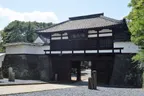
Komoro and Ueda: two castle towns beyond the Usui Pass
Komoro and Ueda are castle towns on the Chikuma River in eastern Nagano: a castle built below its own town, and the Sanada castle that held off two Tokugawa armies. -

What is a konbini? Japan's convenience stores and what they do
A konbini is a Japanese convenience store: a small self-service shop open long hours, every day of the year. What it sells, what else you can do there, and how it began in the 1970s. -
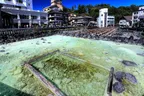
Kusatsu Onsen: the hot-spring town around the Yubatake
Kusatsu Onsen in Gunma stands 1,200 meters up on the slope of a volcano. At its center is the Yubatake, a spring that sends 4,000 liters a minute down wooden troughs. -
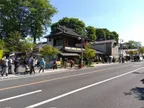
Mashiko: the pottery town in Tochigi
Mashiko is a town of about 20,000 people in Tochigi Prefecture where pottery has been made since about 1853: its kilns, its fair, Hamada Shōji's house, indigo vats and a gate of 1492.